Brain Training for Dogs—Powerful 15-Step System That Transforms Behavior
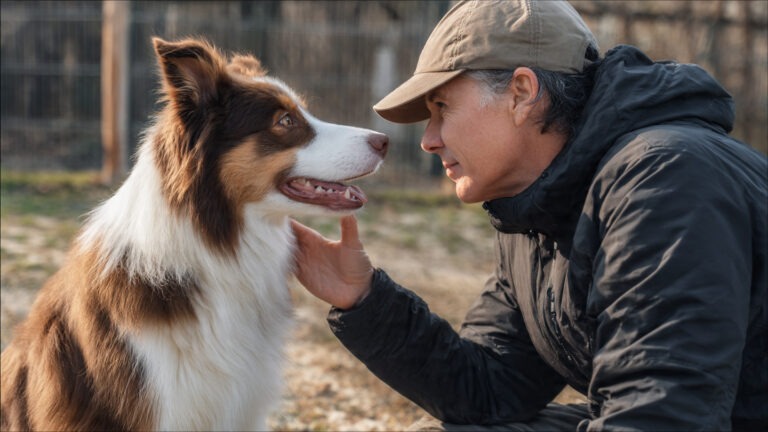
Brain training for dogs is a science-backed mental exercise system that improves obedience, behaviour, and intelligence naturally from home. In the world of dog ownership, behavioural issues are among the top reasons pets are surrendered to shelters. From excessive barking and chewing to aggression and anxiety, these problems strain the human-canine bond.
Traditional training methods often focus on obedience through repetition and correction, but what if there were a more effective approach that works with your dog’s natural intelligence?
Brain training for dogs is no longer a hidden secret used only by professional trainers. It has become one of the most effective and humane ways to improve a dog’s behavior, intelligence, and emotional well-being. Dogs are naturally intelligent animals, but without proper mental stimulation, that intelligence often turns into unwanted behavior.
Many dog owners believe that long walks or physical play are enough. While exercise is important, it doesn’t fully satisfy a dog’s mental needs. A dog can be physically tired and still feel mentally restless. That mental restlessness often shows up as barking, chewing, digging, or anxiety.
But the Brain Training for Dogs addresses the root cause of these problems by engaging the mind. Instead of forcing obedience, it teaches dogs how to think, focus, and make better decisions. This approach creates long-term behavioral change rather than temporary control.
The best part is that brain training for dogs can be done at home. With a structured system, any dog owner—beginner or experienced—can train their dog effectively without harsh methods or expensive classes.
What Is Brain Training for Dogs?
Brain training for dogs is a method that focuses on mental exercises designed to improve cognitive abilities such as memory, problem-solving, impulse control, and emotional regulation. Unlike traditional obedience training, this approach works with a dog’s natural instincts.
Understanding Canine Intelligence
Dogs are capable of learning hundreds of words, recognizing patterns, and understanding emotions. Their brains are wired for problem-solving and cooperation. When these abilities are ignored, dogs often create their own “jobs,” which may not align with household rules.
Brain training for dogs channels this intelligence in a positive direction. It gives dogs a sense of purpose and achievement, which leads to better behaviour.
Why Traditional Training Often Fails
Traditional training methods often rely on repetition and correction. While they may work short term, they don’t address mental boredom. A dog may obey commands during training but misbehave later due to unmet mental needs.
Brain training for dogs solves this issue by stimulating thinking skills. A mentally satisfied dog is naturally calmer, more obedient, and easier to manage.
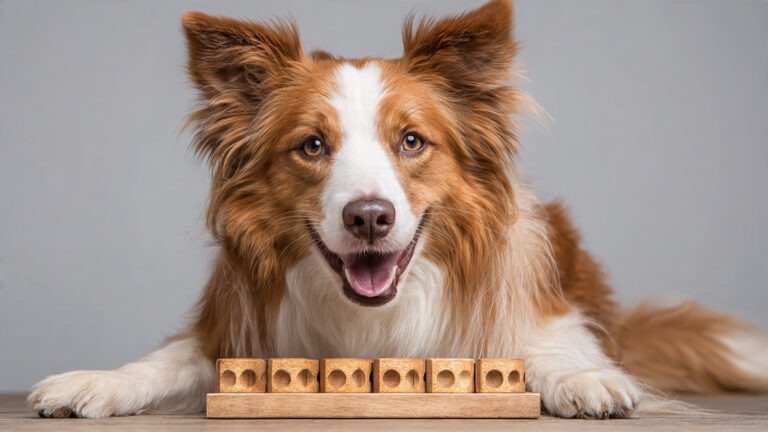
The Science Behind Brain Training for Dogs
How Dogs Learn and Think
Dogs learn through association, repetition, and reward. Their brains form neural pathways based on experiences. Brain training for dogs strengthens these pathways, improving learning speed and memory retention.
Scientific studies in animal cognition show that mental challenges increase neural plasticity. This means dogs remain mentally sharp throughout their lives when regularly stimulated.
Mental Stimulation vs Physical Exercise
Physical exercise works the body; mental exercise works the brain. Both are essential, but mental stimulation often has a deeper impact on behavior.
Just 15–20 minutes of brain training for dogs can:
- Reduce stress hormones
- Improve focus
- Promote calm behavior
This makes brain training especially useful for high-energy breeds and apartment dogs.
Benefits of Brain Training for Dogs
Better Obedience and Focus
Dogs trained mentally respond faster to commands because they understand rather than simply react. Brain training for dogs improves attention span and listening skills.
Dogs learn to:
- Wait patiently
- Follow multi-step commands
- Ignore distractions
Reduced Anxiety and Aggression
Many anxiety-related behaviours stem from mental frustration. Brain training for dogs provides structured challenges that give dogs confidence and emotional stability.
Regular mental exercise reduces:
- Separation anxiety
- Fear-based aggression
- Hyperactivity
Improved Emotional Balance
A mentally engaged dog feels fulfilled. Brain training helps dogs manage emotions better, leading to calmer reactions in new or stressful situations.
Inside the Brain Training for Dogs Program
A structured system is what makes brain training for dogs truly effective. Instead of guessing what to do, the program provides clear guidance.
Step-by-Step Training Structure
Each lesson builds on the previous one. Dogs progress at their own pace, ensuring confidence and success. This gradual approach prevents overwhelm and frustration.
Easy Home-Based Exercises
The exercises are designed for home use. Most require no special tools and can be done in short sessions. This makes brain training for dogs practical for busy dog owners.
👉 If you want a complete, step-by-step system instead of random tips, the Brain Training for Dogs program shows exactly what to do.
Brain Training Games That Actually Work
Focus and Attention Games
These games teach dogs to concentrate despite distractions. Improved focus leads to better obedience and safer behaviour outdoors.
Examples include:
- Eye-contact games
- Stay-and-wait challenges
Memory and Problem-Solving Games
Problem-solving exercises challenge dogs to think creatively. These games improve confidence and persistence.
Examples:
- Treat-finding puzzles
- Object recognition tasks
Calmness and Self-Control Games
Self-control is a learned skill. Brain training for dogs includes exercises that teach patience and emotional regulation.
Brain Training for Dogs by Age
Puppies
Puppies learn rapidly. Early brain training builds strong foundations and prevents future behavior problems. Sessions should be short, positive, and playful.
Adult Dogs
Adult dogs benefit from structured mental challenges. Brain training helps break bad habits and reinforces good behaviour.
Senior Dogs
Mental stimulation is vital for older dogs. Brain training for dogs helps slow cognitive decline and keeps seniors engaged and happy.

Frequently Asked Questions
- How often should brain training be done?
Daily short sessions are ideal. - Can stubborn dogs benefit?
Yes, brain training works especially well for stubborn dogs. - Is it safe for puppies?
Absolutely, when done correctly. - Does it replace obedience training?
No, it enhances it. - How soon are results visible?
Many owners see improvements within weeks. - Can I do this without experience?
Yes, the program is beginner-friendly.
Final Verdict
Brain training for dogs is one of the smartest investments you can make in your dog’s happiness and behavior. It works with natural instincts, strengthens intelligence, and builds emotional balance.
Instead of controlling your dog, you guide them to think better. The result is a calmer, more obedient, and more confident companion.
👉 Start brain training for dogs today and experience a noticeable change in your dog’s behavior